
Legal Frameworks for Child Protection Incidents
Child protection laws in the U.S. require professionals like teachers, health workers, and law enforcement to report suspected child abuse or neglect. Federal laws, such as the Child Abuse Prevention and Treatment Act (CAPTA), set basic standards, while state laws add specific guidelines, timelines, and penalties. Reports must be made promptly - often within 24 to 48 hours - and based on "reasonable suspicion", not definitive proof. Failure to report can lead to fines, criminal charges, or loss of professional licenses.
Key points include:
- Mandatory reporters: Professionals in close contact with children.
- Reporting deadlines: Vary by state, typically 24-48 hours.
- Legal protections: Reporters acting in good faith are shielded from liability.
- Penalties for non-compliance: Fines, criminal charges, or disciplinary actions.
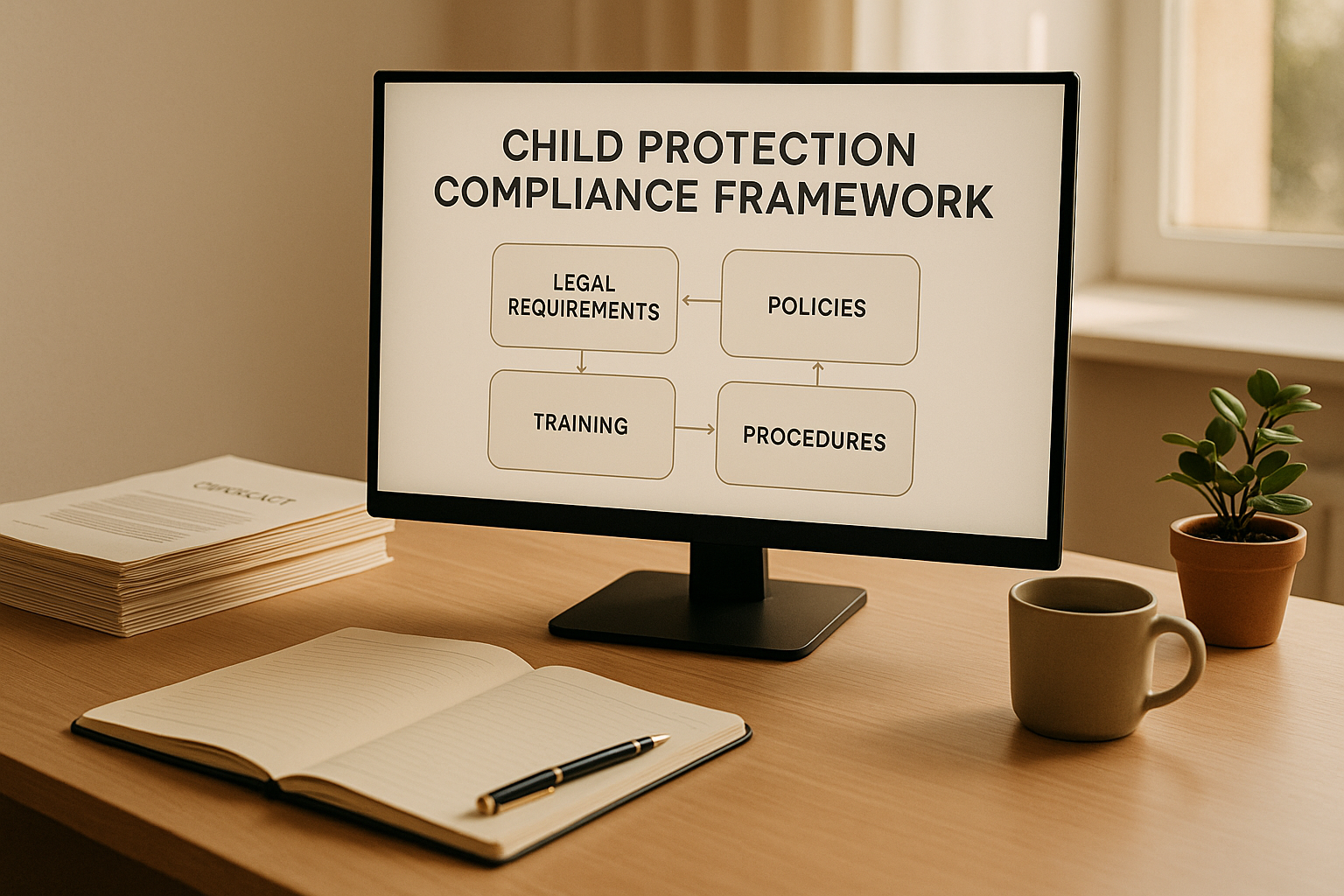
Organizations must align policies with federal and state laws, train staff, and ensure reports are properly documented. Central registries track cases, aiding investigations and preventing repeat offenses. Proper documentation, confidentiality, and adherence to deadlines are critical to safeguarding children effectively.
How Do Child Welfare Laws Impact Children's Family Rights?
Federal Mandatory Reporting Laws
The Child Abuse Prevention and Treatment Act (CAPTA) forms the backbone of federal mandatory reporting laws for child abuse and neglect in the United States [6]. CAPTA creates a partnership between federal and state governments, establishing a baseline for reporting requirements. However, professionals must also familiarize themselves with their specific state laws, as these often expand on federal guidelines. At its core, the federal framework emphasizes the importance of reporting suspected harm early - without needing definitive proof.
Professionals Required to Report
Federal law outlines several categories of professionals who are required to report suspected child abuse or neglect. These include health professionals, dental professionals, teachers, law enforcement officers, and others working closely with children [1]. In military settings, Department of Defense personnel classified as "covered professionals" are required to report suspected abuse, regardless of whether it occurred on or off a military base [2]. Some states expand the list of mandated reporters to include roles like coaches, clergy, or camp counselors. It’s crucial for organizations to clearly define in their policies which employees, volunteers, and contractors fall under this mandate [4].
One notable exception is lawyers, who are not mandatory reporters in all jurisdictions due to attorney-client privilege [8].
The threshold for reporting is "reasonable grounds for suspicion." This means professionals must report even if they have only partial information suggesting harm to a child [1]. Importantly, reporters don’t need direct knowledge of the abuse; second- or third-hand information can also trigger the obligation to report [8]. Filing a report sets in motion an official investigation, but it does not confirm abuse has occurred - that responsibility lies with child protective services and law enforcement [7].
Reporting Deadlines and Penalties
Although federal law mandates reporting, the specific timeframes for doing so are typically set by individual states. Generally, reports must be filed as soon as possible after suspicion arises. In many states, this translates to reporting within 24 to 48 hours [1]. Reports are often made initially through oral communication to ensure a quick response [8].
In most cases, reporting to one agency - such as child protective services - will automatically notify the other relevant agency, like law enforcement [7]. However, an exception exists if the reporter reasonably believes the information is already known to authorities, though confirming this beforehand is recommended [8]. Reporting obligations apply to past or present abuse, as well as "threatened harm" as defined by state law. However, they do not extend to speculative future abuse unless it meets the criteria for threatened harm [8].
Failing to report, delaying a report, or neglecting to report entirely can lead to serious legal consequences [1]. Penalties vary by state but often include fines. For instance, in Oregon, failure to report is classified as a Class A violation, carrying a maximum fine of $2,000 [8]. Beyond financial penalties, professionals could face criminal charges, loss of licensure, civil lawsuits, or disciplinary actions from their employers or professional organizations [2].
To encourage reporting, federal and most state laws provide immunity from civil and criminal liability for those who report suspected abuse in good faith [1]. This protection shields reporters from lawsuits alleging false or harmful claims, as long as the report was based on reasonable suspicion and made without malicious intent. For example, in Oregon, reporters acting in good faith with reasonable grounds are protected under ORS 419.025 [7]. Such legal safeguards are vital for ensuring that professionals feel secure in reporting potential abuse, ultimately prioritizing the safety and well-being of children.
This federal framework lays the groundwork for the state-specific reporting protocols covered in the next section.
State Reporting Systems and Central Registries
Federal law lays the groundwork for child protection reporting, but each state has its own way of managing reports. These systems differ in structure, timelines, and procedures, which means organizations working across multiple states need to adjust their practices accordingly. This variation makes it essential to develop internal protocols that align with each state’s unique requirements, highlighting the importance of central registries.
State Differences in Reporting Protocols
Reporting protocols vary widely from state to state, including who is mandated to report and how quickly they must act. For example, Georgia requires reports to the Division of Family and Children Services (DFCS) within 24 hours when abuse is suspected based on objective facts. In contrast, New York mandates an oral report first, followed by a written report within 48 hours [3][12][13]. Each state has its own standard for what constitutes "reasonable cause", which can further complicate compliance [15].
Timelines for agency responses also differ significantly. In Georgia, DFCS prioritizes reports based on the level of danger. Immediate responses are required for present danger, while situations involving impending danger demand action within 24 hours. For cases of abuse without immediate threats, the response time extends to 72 hours [13]. Additionally, Georgia requires employees and volunteers at institutions like hospitals and schools to inform a designated person in charge, who then reports to DFCS [12]. Other states, however, may require direct reporting from the individual professional.
Reports can be submitted through various channels, such as phone, electronic systems, or fax, and are protected by confidentiality laws like the Georgia Open Records Act [12][13][14]. While most states require similar basic information - such as the child’s name, caregiver details, age, and injury descriptions - the specifics of confidentiality protections vary.
For organizations operating in multiple states, it’s critical to create policies that address these differences. Staff must be trained on how to contact the correct reporting agency, understand what information to include, and adhere to the required timelines [2].
How Central Registries Track Cases
Despite the differences in state systems, central registries play a unifying role by standardizing how abuse cases are tracked. These registries compile reports to aid investigations, identify patterns of abuse, and facilitate coordination between agencies and jurisdictions.
A good example is New York’s Statewide Central Register of Child Abuse and Maltreatment (SCR). The SCR keeps records of indicated reports, tracks substantiated allegations along with incident dates, and conducts database checks for employment and licensing purposes [10]. Many registries maintain records of confirmed cases, allowing authorized agencies to access this information through signed release forms [10].
Central registries categorize reports into three main types: indicated, substantiated, and unsubstantiated. An indicated report means credible evidence supports the claim of abuse, while a substantiated report carries stronger proof and is often used in legal contexts [10]. Unsubstantiated reports, though lacking enough evidence to confirm abuse, can still have far-reaching consequences, such as affecting someone’s job prospects or licensing.
Local Departments of Social Services (LDSS) often handle the intake and processing of reports. In New York, these departments review written reports from mandated reporters, register cases with the central registry, and assess whether the allegations meet the legal definitions of abuse or neglect [10]. Accurate incident dates are required for substantiated cases, and documentation must clearly specify the type of abuse - whether physical, sexual, emotional, neglect, or risk of harm [1][10].
Central registries also help agencies work together. For instance, in military settings, the Family Advocacy Program (FAP) collaborates with local Child Protective Services and law enforcement to ensure child safety. They conduct assessments and present findings to an Incident Determination Committee (IDC) made up of both military and civilian members [2]. These efforts help prevent cases from falling through the cracks, even as privacy laws limit the sharing of certain information.
To ensure fairness, individuals can challenge indicated reports through administrative hearings [10]. The standard of proof varies; criminal cases require evidence beyond a reasonable doubt, while child protection cases rely on a preponderance of the evidence [11]. States also differ in how long registry records are retained, with some offering clearer processes for disputing or expunging reports [10].
For organizations, understanding how central registries function in each state is essential. Staff should know when and how to report, what documentation is necessary, and how to address any errors or inconsistencies. Establishing clear internal procedures for recording allegations and consulting with supervisors can help ensure compliance and maintain accurate records [2]. Training programs and regular audits further support consistent reporting practices, even when definitions and requirements vary from state to state [10].
Legal Standards for Incident Documentation
Carefully written and factual incident reports are crucial for protecting children and supporting investigations. These reports align with existing federal and state guidelines, providing the detailed evidence needed for legal actions.
Required Elements of an Incident Report
To meet legal standards, incident reports must include specific details. The reporter's name, phone number, and relationship to the family should be clearly listed, ensuring investigators can follow up if necessary.
Critical identifying information about the child - such as their name, age, sex, and address - must be documented accurately. This also extends to other children in the household, as their details help assess any additional risks [17].
Location and timing details are essential. The exact location of the incident, along with the date and time, establishes a clear timeline. If there were witnesses, their information should also be recorded to support or clarify the account [17].
A thorough description of the child's injuries and condition is vital. Professionals should document the injuries with specific measurements and observations, avoiding vague descriptions [17].
The report must also include an assessment of any immediate danger to the child. This helps child protective services prioritize their response. Additionally, the names and addresses of the parent or caregiver, along with details about their involvement or awareness of the incident, should be included [17][19].
| Documentation Element | Required Detail | Purpose |
|---|---|---|
| Reporter Information | Name, phone number, relationship to family | Ensures follow-up and clarification |
| Child Details | Name, age, sex, address | Identifies the victim and household |
| Incident Specifics | Date, time, location, witness information | Establishes a verifiable timeline |
| Injury Description | Detailed nature and extent of injuries (with measurements) | Provides objective evidence of harm |
| Danger Assessment | Immediate risk determination | Helps prioritize response urgency |
| Caregiver Information | Names, addresses, and caregiver involvement details | Identifies responsible parties |
Any actions taken in response to the incident must also be documented, including the names of staff members who completed the report and those who notified relevant parties [20]. This creates an audit trail that demonstrates the organization's compliance with legal obligations.
Virginia law highlights the importance of timely reporting, requiring that reports to placing agencies, parents or guardians, and licensing representatives be made within 24 hours of the incident [20][21]. Missing this deadline can result in penalties, underscoring the importance of thorough and prompt documentation to protect children effectively.
This detailed documentation serves as the foundation for gathering objective evidence, which is discussed in the next section.
Maintaining Objectivity and Evidence
Accurate and objective records are essential for legal reviews. Professionals must use clear, fact-based language to describe their observations, steering clear of interpretations or assumptions [17]. Separating what is observed from conclusions ensures the evidence can stand up to scrutiny.
Physical examinations and behavioral observations should be recorded using only measurable facts. For instance, descriptions should focus on the child's physical condition, emotional state, and behavior in specific terms rather than subjective opinions [17].
Under the law, reporting requires only "reasonable grounds for suspicion", meaning information that an average person would find sufficient to justify a report. Even if all details are not available, professionals must report based on reasonable suspicion, leaving further investigation to child protective services and law enforcement [1][17]. Mandated reporters are obligated to share all information that forms the basis of their suspicion of abuse or neglect [21].
Different types of maltreatment require tailored documentation. For physical abuse, reports should include detailed descriptions of injuries, specifying their location, size, and pattern, and noting whether they align with the explanation provided. In cases of sexual abuse, documentation should include observed behavioral indicators, any statements from the child (using their exact words), and relevant physical findings. For emotional abuse and neglect, records should focus on observable effects on the child's development, hygiene, behavior, and overall well-being [17].
Reports must clearly distinguish between direct observations and secondhand information. When a child shares information, their exact words should be recorded in quotation marks. If a third party provides details, the source should be explicitly noted (e.g., "Teacher reported that…" or "Neighbor stated that…"), helping investigators assess credibility.
Confidentiality laws do not prevent reporting suspected abuse [17]. Once a report is filed with child protective services, the information is protected under federal and state confidentiality laws [18]. This ensures that while the obligation to report is fulfilled, sensitive information remains secure during the investigation.
Digital tools can play a key role in preserving evidence. Platforms that automatically save concerning online interactions ensure that digital evidence remains intact for potential law enforcement use [9].
"The research clearly shows that preventative measures are critical. By the time law enforcement gets involved, the damage has often already been done." – Guardii's 2024 Child Safety Report [9]
This insight highlights the importance of accurate, unbiased documentation from the very beginning. By carefully recording incidents, professionals lay the groundwork for interventions that can prevent further harm.
To ensure consistency and compliance, organizations should implement standardized templates and procedures that prompt staff to include all necessary details while allowing space for factual descriptions. Regular training on proper documentation practices reinforces the importance of objectivity and clarifies what information should be recorded [21].
Maintaining detailed records in the child's file is equally important. Over time, these records can reveal patterns that might not be obvious from a single incident, helping to identify risks early [20].
Organizational Compliance Requirements
Organizations working with children must have clear policies, consistent staff training, and thorough documentation to meet compliance standards.
Aligning Policies with Federal and State Laws
Creating child protection policies involves establishing clear guidelines that outline staff responsibilities, align with federal and state abuse reporting laws, and provide employees, volunteers, and staff with clear instructions on how to report suspected abuse [4].
Policy development should include input from key stakeholders like law enforcement, legal experts, child protective services, and other professionals to ensure compliance with jurisdictional laws [4]. These policies must receive formal approval from management or oversight bodies, with signed statements recorded in meeting minutes [4].
Internal policies should clearly define reporting procedures, distinguishing between policy violations and actual abuse. They must also outline roles for communication, documentation, and monitoring of reports [2]. For organizations operating in multiple states, policies must adhere to the strictest regulations while addressing differences between jurisdictions [4].
In military settings, policies must account for reporting through designated military channels [2]. Legal counsel with expertise in federal and state mandates should review policies to ensure they meet all requirements [1].
Protocols should designate specific reporters and ensure that supervisors cannot obstruct the reporting process [22]. This creates an environment where staff feel safe fulfilling their legal obligations. Additionally, organizations must maintain program records, provide access to files for investigations, and establish procedures for temporarily removing staff from child contact when necessary [2]. Secure storage and access controls for sensitive information are critical, while ensuring authorized personnel can access data needed for reporting and investigations [2].
These policies must be supported by comprehensive staff training to ensure they are effectively implemented.
Staff Training on Reporting Procedures
Proper implementation of policies requires thorough training for all staff. Training programs must clarify legal responsibilities and provide specific guidance on how to respond when abuse or neglect is suspected. This is especially important for school employees and educators, who are often the first to notice warning signs [22].
Training should emphasize that mandated reporters are legally required to report any known or suspected cases of child abuse or neglect. Importantly, it is not the role of the reporter to determine the validity of the allegations [22]. If there is reasonable suspicion of abuse or if a child shares concerning information, a report must be made immediately [22].
The idea of "reasonable grounds for suspicion" must be explained. This refers to information that an average person, using honest judgment, would find sufficient to warrant a report [1]. Staff do not need concrete proof - just reasonable suspicion based on their observations or what they’ve been told.
Training should also cover the specific reporting channels for every jurisdiction where the organization operates [1]. A centralized intake process can simplify this, ensuring mandated reporters can easily contact the appropriate agencies and receive consistent guidance [24].
Confidentiality concerns must be addressed. Staff need to understand that protecting a child’s safety takes precedence over confidentiality. Reporting suspected abuse is a legal obligation and does not violate confidentiality rules [22].
Training should outline what details need to be included in reports. For instance, in Ohio, reports must include the child’s and parent’s names and addresses, the child’s age, the nature and extent of injuries, and any medical examination results [25]. Providing templates, checklists, and resources can help staff report accurately and confidently.
It’s also important to train staff on the differences between findings. For example, in Ohio, "substantiated" findings involve clear evidence or admission, while "indicated" findings rely on circumstantial factors or a caseworker’s judgment [25]. Understanding these distinctions highlights the critical role of initial reports in initiating investigations.
Organizations should offer support for staff involved in court proceedings, including legal advice, time off, and emotional assistance [2]. Training should prepare staff for what to expect during investigations and court appearances, and support systems should be in place to help them manage the associated stress [2].
Documenting training completion is essential. Organizations must keep records showing that all staff have completed mandated training, along with documentation of any updates to policies or reporting procedures [4]. These records are invaluable during regulatory reviews or legal matters.
Failure to report suspected child abuse or neglect can result in serious consequences. Mandated reporters who neglect or delay reporting face fines, which vary by state [1]. In the U.S., failing to report can lead to significant legal penalties under state laws [23]. Organizations that obstruct reporting can also be held legally accountable [22].
Protocols should also outline how staff will be informed of investigation outcomes and their roles in any subsequent proceedings [2]. Policies should designate points of contact for communication with investigative agencies, as well as individuals responsible for coordinating with law enforcement and child protective services [2].
Regular refresher training is critical to ensure that child protection responsibilities remain top of mind. As laws and best practices evolve, ongoing education helps staff stay informed and prepared to fulfill their obligations effectively.
sbb-itb-47c24b3
Emergency Protection Orders and Court Actions
When a child is in immediate danger, the legal system steps in with specific tools designed for swift action. This section explores how emergency protection orders and court actions work alongside reporting protocols to safeguard children while ensuring due process.
Types of Emergency Court Orders
When documentation shows clear evidence of immediate danger, emergency court orders become the next step. Emergency Protection Orders (EPOs) are issued when a child faces an imminent threat and needs urgent removal from harm. These orders can be granted ex parte - without notifying the other party - if immediate harm is evident. Typically, EPOs last between 14 and 21 days, depending on state laws, providing a temporary safeguard while a more thorough investigation is conducted.
In contrast, Child Assessment Orders allow child protection workers to investigate and assess suspected abuse or neglect when there are reasonable concerns but no immediate need for removal. These orders focus on gathering evidence rather than taking immediate protective action [1].
For non-emergency removals, the law requires an in-court hearing where the state must prove its case and demonstrate efforts to maintain family unity. Most jurisdictions mandate a review of emergency removals within 72 hours. During the initial hearing, evidence of abuse is presented, giving parents - often with legal representation - the chance to challenge the findings. Additional hearings typically follow within 14 to 30 days [11].
Local Authority Responsibilities in Court Proceedings
Local child protective services (CPS) agencies play a central role in emergency actions, coordinating with other entities to ensure legal procedures are followed accurately. In military families, a designated committee reviews findings [2]. For civilian cases, CPS collaborates with law enforcement and the courts to adhere to procedural requirements. This includes notifying all relevant parties and maintaining meticulous records of every step.
Investigation records should include the date, time, location, and participants of each consultation or contact. Objective observations, along with evidence like photos or medical reports, are critical and may later serve as key proof. Since state laws differ in defining child abuse, neglect, and the standards for "reasonable grounds" for removal, each jurisdiction operates under its own legal framework. Some states require reports to go to agencies like Children's Aid Societies, while others direct them to CPS, law enforcement, or juvenile courts.
Organizations operating across multiple states must align with the strictest applicable laws, build strong interagency networks, and maintain secure case files. Balancing confidentiality with the need for information sharing is crucial to ensuring child safety [1][2][26]. These court proceedings are designed to integrate seamlessly with existing legal protocols to protect children effectively.
Information Security and Confidentiality Requirements
Organizations handling sensitive child protection records face the dual challenge of ensuring these records are secure while allowing appropriate access. Balancing confidentiality with transparency is critical for effective incident management and compliance with federal and state laws.
Secure Storage and Access Controls
When it comes to child protection incident reports, strict legal requirements are in place to prevent unauthorized access to sensitive information. For instance, Louisiana law mandates that records related to child abuse and neglect remain sealed, accessible only to child protective services for future risk and safety assessments [28]. Physical records must be stored in locked systems, with access granted only to authorized personnel who have a legitimate need to review the information.
For digital records, organizations should implement role-based access controls. This ensures staff members can only view information relevant to their roles. For example, a school administrator might see submission details of a report but not the full investigative findings. Additionally, all access to these records should be logged and monitored to ensure accountability and to detect any unauthorized access attempts.
Louisiana law also requires organizations to retain child protection records for at least seven years from the determination date - or until the youngest child in the family turns 18, whichever is longer [28]. Practitioners, such as mental health professionals working with legal teams, must follow specific documentation rules, retaining records until one year after the child reaches adulthood [30]. Written retention schedules should align with these rules, and secure disposal methods must be in place for outdated records.
Failing to secure these records adequately can lead to serious consequences, including civil liability, regulatory penalties, loss of licensure, and the need to notify affected parties in the event of a data breach. Up next, we’ll explore how confidentiality responsibilities intersect with mandatory reporting duties.
Balancing Confidentiality with Reporting Duties
Organizations must navigate confidentiality obligations while adhering to mandatory reporting laws, ensuring both child safety and legal compliance [1]. Mandatory reporters cannot use confidentiality as an excuse to avoid reporting suspected abuse or neglect. In Louisiana, the law specifically overrides privileged communication claims for mandatory reporters. This means that protections like attorney-client privilege or doctor-patient confidentiality do not exempt professionals from their duty to report suspicions of abuse [27][29]. Even when all details aren’t available, health professionals and other mandated reporters are required to act if they believe a child may be in harm’s way [1].
Reports should only include information necessary to protect the child and should be shared exclusively with appropriate authorities, such as child protective services, law enforcement, or designated court officers [11]. Organizations must establish clear policies outlining who is authorized to access incident information and under what conditions such sharing is allowed [4].
To encourage timely reporting, Louisiana law protects the identities of reporters. The Department of Children and Family Services ensures that reporter identities remain confidential, with disclosure permitted only under court order following an in camera review [30]. Unauthorized disclosure of a reporter’s identity is strictly forbidden, and filing knowingly false reports can lead to criminal charges [27].
For organizations operating across multiple states, aligning with the strictest applicable laws is essential. Staff training programs should clearly differentiate mandatory reporters, who are legally required to report, from permitted reporters, who may choose to report. Annual training should also cover information security protocols and the legal limits of confidentiality [27][29].
New technologies are helping organizations meet these challenges. For example, AI-driven monitoring tools can flag and contextualize suspicious communications, automatically removing harmful content from a child’s view while securely preserving it for review and potential reporting to law enforcement [9].
Organizations should also prepare for court orders seeking reporter identification. Protocols should ensure that courts conduct an in camera review before any disclosure is made [30]. Additionally, written agreements with partner agencies can clarify what information will be shared, how it will be used, and the confidentiality measures that will apply - helping to protect the privacy of everyone involved.
Reporting Timelines and Escalation Procedures
Meeting reporting deadlines is a critical responsibility that cannot be passed on to others. Organizations must have clear protocols in place to ensure that any suspected child abuse or neglect is reported to the proper authorities within the required timeframes. Additionally, pathways for escalating cases that need urgent action should be well-defined and ready to implement.
Standard Reporting Timeframes
The timeline for reporting suspected child abuse or neglect is dictated by state laws, which vary depending on the jurisdiction. For example:
- Texas: Professionals are required to file a report no later than 24 hours after suspecting abuse or neglect. This duty is non-transferable [31].
- California: Reports must be made immediately via telephone, followed by a written report [22].
- Florida: Suspected abuse, abandonment, or neglect must be reported immediately to the Florida Abuse Hotline. Additionally, child-caring agencies are required to log critical incidents - such as child arrests, deaths, sexual abuse, or serious injuries - into the Department's Incident Reporting and Analysis System (IRAS) within one business day [5][33][34].
| Jurisdiction | Reporting Deadline | Method | Follow-Up Required |
|---|---|---|---|
| Texas | 24 hours after suspicion | Direct report by professional | Cannot be delegated |
| California | Immediately | Telephone first | Written follow-up required |
| Florida | Immediately | Florida Abuse Hotline | IRAS entry within 1 business day |
Federal guidelines also apply in certain environments, requiring reports for significant incidents that impact child safety, such as injuries or endangerment due to lack of supervision [16]. Organizations working across multiple states must comply with the strictest applicable standards. For instance, in California, failing to report known or suspected abuse is a misdemeanor punishable by up to six months in jail, a $1,000 fine, or both [32]. Concealing such incidents is considered an ongoing offense until discovered, making meticulous record-keeping of report timestamps essential to demonstrate compliance.
While these deadlines address routine cases, situations involving immediate danger demand a faster, more intensive response.
Escalation Steps for High-Risk Cases
High-risk incidents - those involving serious harm, immediate danger, or ongoing abuse - require swift action and a structured escalation plan. Organizations should have clear definitions for these scenarios and protocols to ensure timely intervention.
Florida’s guidelines, for example, mandate immediate protective measures when a critical incident is reported. This includes notifying parents or legal guardians, safeguarding the victim, and working to prevent further harm during the investigation [5]. A thorough escalation process should include:
- Immediate notification to supervisory staff and designated child protection liaisons.
- Simultaneous reporting to law enforcement and child protective services when immediate danger is present.
- Detailed documentation of every step, including precise timestamps.
- Coordination with medical professionals to address injuries and document all actions taken.
The rise in online child exploitation has added urgency to these procedures. Alarmingly, only 10% of online predation cases are reported to authorities, and just 12% of those lead to prosecution [9]. Sextortion cases have surged by 149% between 2022 and 2023, while online grooming incidents have increased over 400% since 2020. About 80% of grooming cases begin on social media before moving to private messages [9]. Advanced AI tools can now flag suspicious activity, block harmful content from a child’s view, and preserve evidence for law enforcement. These tools also enable direct reporting to authorities, streamlining the escalation process.
"Predators don't need to be in the same room. The internet brings them right into a child's bedroom."
– John Shehan, Vice President, National Center for Missing & Exploited Children [9]
Organizations must ensure that escalation actions do not delay mandatory reporting to external authorities. Protective steps - like removing a staff member from contact with children or blocking harmful online content - should complement, not replace, official reports to child protective services or law enforcement.
Employees conducting inspections who suspect abuse, abandonment, or neglect must immediately contact the designated abuse hotline to initiate a protective investigation [33]. It’s also crucial for staff to differentiate between incidents requiring quality assurance reviews and those that trigger protective investigations, as each follows distinct confidentiality rules. For quality assurance, identifying details in reports must be redacted, while protective investigation reports are subject to stricter privacy standards.
To ensure readiness, organizations should implement robust training programs and conduct regular drills based on real-world scenarios. This preparation helps staff quickly evaluate high-risk situations, know the appropriate contacts, and act without delay, ensuring that children receive the urgent protection they need.
Conclusion
Safeguarding children requires unwavering commitment to the legal standards surrounding incident reporting and documentation. This section builds on the reporting protocols and legal frameworks discussed earlier.
Mandated reporting is a legal obligation enforced at federal, state, and local levels. Failing to report suspected abuse can lead to criminal charges and severe penalties. It's important to note that filing a report doesn't confirm abuse - it simply initiates an investigation by professionals trained to gather and assess facts. Additionally, individuals who report in good faith are legally protected from liability.
Recent statistics reveal a troubling reality: only 10–20% of online predation incidents are reported. This severe underreporting highlights an urgent crisis in addressing online grooming and sextortion [9]. These numbers emphasize the growing strain on child protection systems and the pressing need for timely, well-documented reports.
Thorough documentation plays a critical role in creating a reliable record that can withstand legal scrutiny. It supports investigations, helps courts make informed decisions, and ensures protective measures are based on solid evidence. Secure digital tools that preserve suspicious content for law enforcement further underscore the importance of maintaining verifiable evidence when a child's safety is at risk.
Organizations must ensure their internal policies align with federal and state laws. This means establishing clear procedures that define staff responsibilities, reflect current legal requirements, and provide clear guidance for handling suspected abuse. Regular training, including realistic scenario-based exercises, helps professionals recognize and respond to high-risk situations without hesitation.
Ultimately, vigilance is key. The legal frameworks for child protection exist because early intervention is far more effective than addressing harm after it occurs. Prompt reporting and careful documentation are essential to ensuring children receive the protection they need.
Every professional - whether an educator, healthcare provider, or another role - has a duty to follow these protocols. Familiarize yourself with your state's specific laws, understand your organization's procedures, and act swiftly when you have reasonable grounds to suspect abuse or neglect. While the frameworks in this guide provide structure, it’s your alertness and decisive action that truly make a difference.
FAQs
What legal protections are in place for mandatory reporters under federal and state child protection laws?
Mandatory reporters - like teachers, healthcare workers, and social workers - are shielded by both federal and state child protection laws. These laws are designed to encourage the reporting of suspected child abuse or neglect. One key protection is immunity from civil or criminal liability, as long as the report is made in good faith and without malicious intent.
In most cases, the law also guarantees confidentiality of the reporter's identity, helping to protect them from potential retaliation. That said, the specific protections and requirements can differ depending on the state. It's crucial for mandatory reporters to understand the regulations that apply in their area.
How can organizations comply with different state reporting laws when working across multiple states?
Organizations that operate across multiple states face the challenge of navigating a complex web of child protection reporting laws and protocols that vary by location. Staying compliant means keeping up with each state’s specific legal requirements, such as mandatory reporting deadlines, documentation procedures, and rules around confidentiality.
To manage this complexity, many organizations turn to centralized systems that track and organize state-specific regulations, offering staff clear, accessible guidance. On top of that, AI-driven moderation tools can play a key role in simplifying compliance tasks. These tools can document incidents, create detailed audit logs, and compile evidence in formats that meet legal standards. For instance, they allow legal and safety teams to maintain precise, time-stamped records - an essential step in adhering to the unique requirements of each state.
How should conflicts between confidentiality and mandatory reporting in child protection cases be handled?
When dealing with situations where confidentiality obligations clash with mandatory reporting requirements in child protection cases, the safety and well-being of the child must come first. In the U.S., mandatory reporting laws generally take precedence over confidentiality agreements to ensure that any signs of abuse or neglect are addressed without delay.
Here’s how professionals can navigate these situations effectively:
- Understand the laws and protocols: Familiarize yourself with the mandatory reporting requirements specific to your state, including any exceptions to confidentiality rules.
- Seek expert advice: Consult with your legal or compliance teams to ensure your actions meet both legal and ethical standards.
- Keep detailed records: Document the incident thoroughly, including the steps you took, your decision-making process, and any actions to report the matter.
For additional support, tools like Guardii can be invaluable. They provide audit logs and evidence packs to help legal and safety teams stay compliant while protecting vulnerable individuals.