
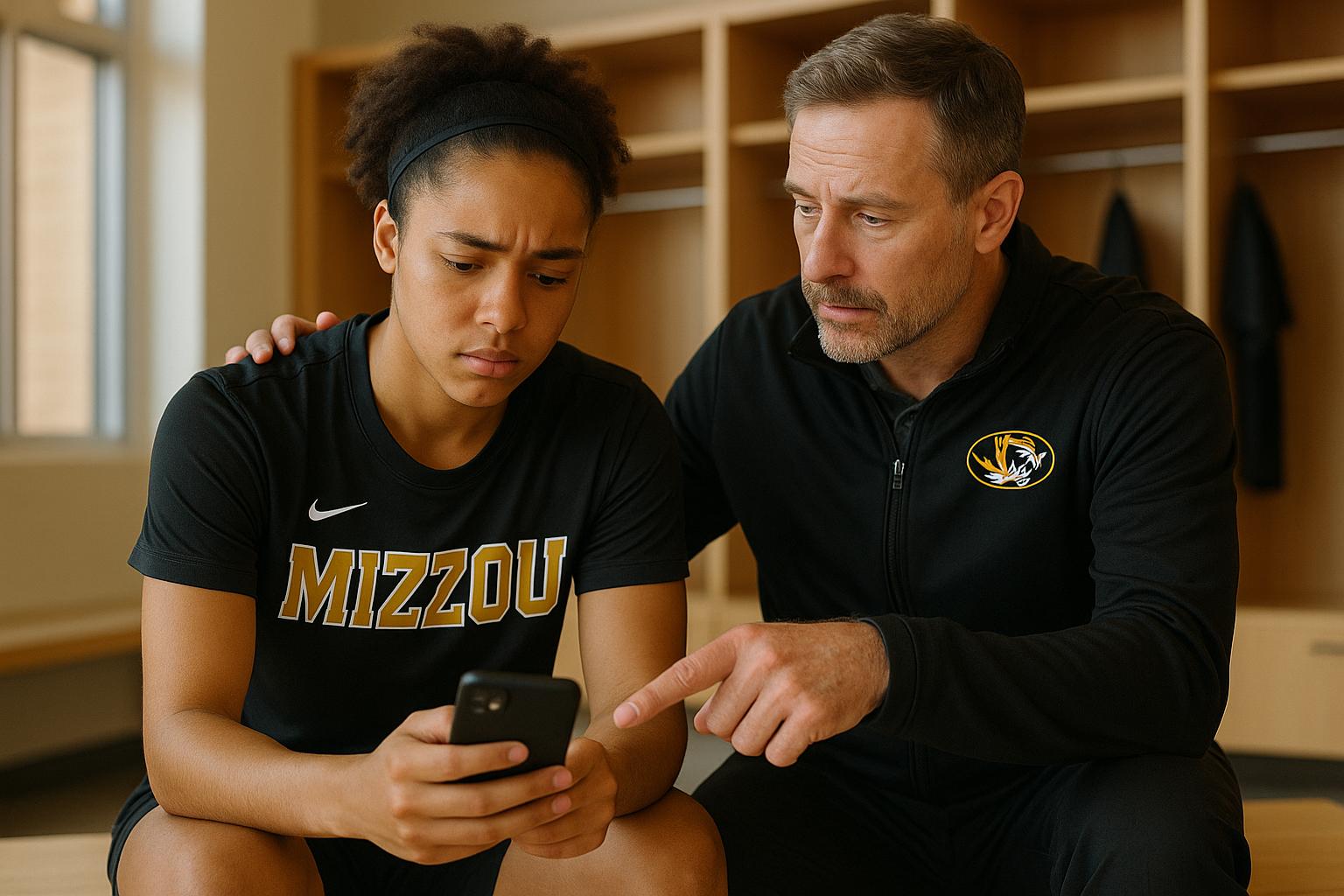
Mizzou Athletics plans for increased online harassment risks with upcoming legal sports betting
Mizzou Athletics is gearing up for a new challenge as sports betting becomes legal in Missouri starting December 1. With this change, the university is anticipating a potential spike in online harassment directed toward student-athletes, a concern underscored by recent trends in the world of collegiate sports.
NCAA Study Highlights Harassment Trends
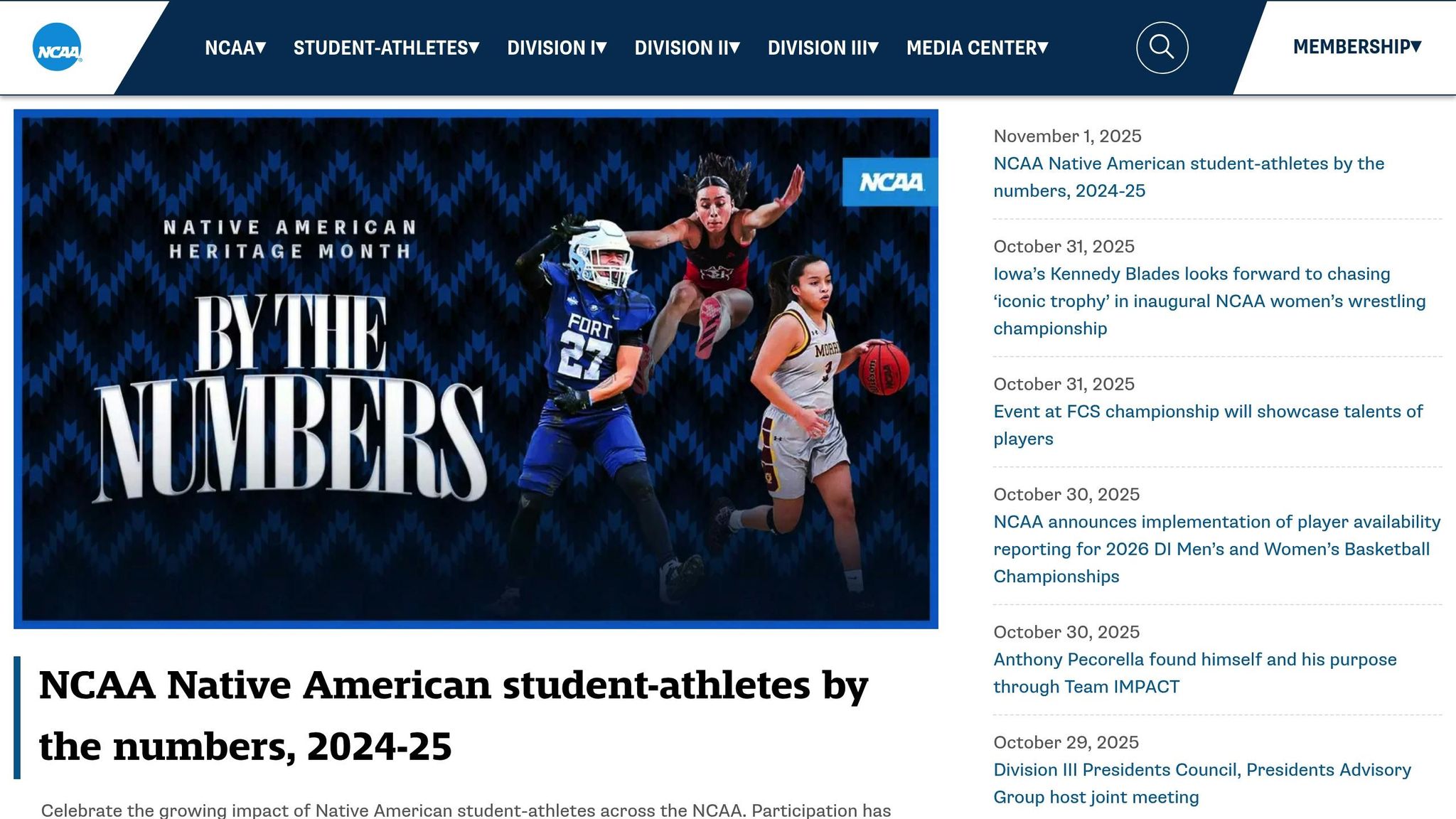
A report from the NCAA published in June revealed a troubling rise in online abuse targeting college athletes, particularly during high-stakes tournaments. The study found that harassment during the men’s 2025 March Madness tournament surged by 140% compared to the previous year. Much of this abuse came from frustrated bettors whose wagers had not gone in their favor.
Missouri’s legalization of sports betting, approved through the passage of Amendment 2 in November 2024, allows wagers on in-state college teams, including the Missouri Tigers. This also opens the door to live betting and proposition bets, which could place athletes under even greater scrutiny from bettors.
Preparing Athletes for the Spotlight
In response to the expected rise in harassment, Mizzou Athletics is leaning on its "Mizzou Made Mental Health" program to bolster support for student-athletes. Brittany Fassbinder, a member of the university's mental health team, emphasized the immense pressure athletes already face. "They devote 43 hours a week to just their sport. That’s not the tutoring hours they have to do, the volunteer hours they have to do, or just having a life and being a person outside of their sport", she said.
Fassbinder highlighted the importance of reminding fans and bettors that athletes are individuals beyond their roles in sports. She also pointed out the critical role mental health support plays in navigating the challenges of public scrutiny.
Social Media: A Double-Edged Sword
Student-athletes like men’s basketball players Jacob Crews and Trent Pierce have firsthand experience with the negativity that can come with being in the spotlight. Pierce described the toll online abuse can take on his mental state. "It took me four or five days to get over that", he said of a particularly difficult experience. "I already felt like I had let the team down, and then I had other people saying the same thing, and the message on Instagram and Twitter just kept adding to me trying to get over myself."
To mitigate the impact, Pierce has adjusted his approach to social media during the season. "I’ve learned to deal with the comments", he said. "They’re going to be there, and to be honest, most of the season I’m not on social media because of them. You can’t get rid of the comments."
Pierce also advises younger teammates to limit their interaction with negative feedback online. "We tell the younger guys now, 'Turn your comments off and your requests on so you don’t see that stuff,'" he said.
Crews, a graduate student, echoed the sentiment. Despite initially engaging with negative comments when he transferred to Mizzou in 2024, he has since learned to shift his focus. "I don’t feed into all that - I have a great supporting cast with my wife and the coaching staff", he explained.
Proactive Measures and Resources
In addition to mental health programming, Mizzou Athletics works to prepare players for the realities of public exposure. Head coach Dennis Gates invites organizations to speak with the team about handling online harassment. "They come in the locker room and let us know and give us resources and help us learn how to not be impacted by those fan comments", Pierce said.
The athletic department also equips all staff members, from coaches to dining hall workers, with Mental Health First Aid training. Fassbinder explained that this training ensures staff can identify and respond to mental health challenges athletes may face, even in cases where they might hesitate to seek therapy.
Fassbinder stressed the importance of helping athletes build their identities outside of sports while also managing their online presence. "Your phone is your brand, and your online persona is your brand", she said. "It’s a very delicate balance. They have to post to build their brand, but it’s very hard to post when you’re being targeted on those posts."
Looking Ahead
As Missouri prepares to embrace legal sports betting, Mizzou Athletics is determined to protect its athletes from the potential fallout of this new era. Fassbinder acknowledged that negativity is inevitable but expressed confidence in the department’s proactive measures, saying, "The conference (SEC) has been really helpful in the whole process. They’ve been aware of this for years."
While the challenges are significant, Mizzou’s mental health programs and support systems are working to ensure that athletes have the resources and resilience to face them head-on. With sports betting just weeks away, the focus remains on empowering student-athletes to thrive both on and off the field.